[Security Brief] - P6 - Easter-egg in Cybersecurity
In software development and digital media, an "Easter egg" refers to a hidden feature, message, or inside joke that developers embed within a program, website, video game, or film. These Easter eggs are usually harmless, intended for fun, and require a specific sequence of actions or conditions to be activated or discovered by the user.

In software development and digital media, an "Easter egg" refers to a hidden feature, message, or inside joke that developers embed within a program, website, video game, or film. These Easter eggs are usually harmless, intended for fun, and require a specific sequence of actions or conditions to be activated or discovered by the user.
However, when we talk about "Easter eggs" in cybersecurity, the context can be slightly different:
-
Harmless Fun: Like software development, many legitimate applications or websites might contain hidden features or messages for users to discover. For example, Google is known for its numerous Easter eggs, such as typing "do a barrel roll" into the search bar and watching the screen spin.
-
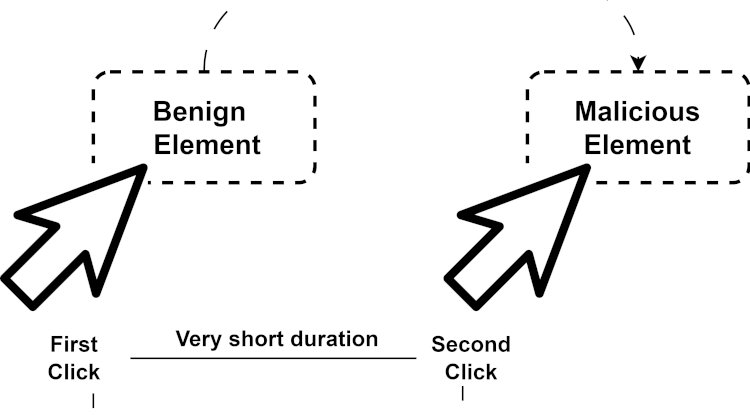
Malicious Intent: In cybersecurity, an Easter egg could also refer to a hidden malicious functionality within a software or system. A malicious insider or external attacker could embed this and remain dormant until triggered by a specific condition or event. Such Easter eggs could bypass security measures, exfiltrate data, or cause other damage.
-
Steganography is a technique where information is hidden within other data, such as embedding a text message within an image or audio file. While not an Easter egg traditionally, it serves a similar purpose of hiding data in plain sight. In cybersecurity, steganography can be used for malicious purposes, such as hiding malware commands or exfiltrating data without detection.
-
Hidden Features for Debugging or Testing: Sometimes, developers might embed hidden functionalities within software for debugging or testing purposes. If not removed before the software is released, it could pose security risks as attackers could exploit these hidden features.
For cybersecurity professionals, the potential existence of Easter eggs underscores the importance of thorough software testing, code reviews, and monitoring. While many Easter eggs are harmless and meant for entertainment, they can also represent vulnerabilities if not properly managed or can be maliciously intended.
---------------------------------------------
[Security Brief] - P5 - AAA of Security
[Security Brief] - P4 - Risk Appetite
What's Your Reaction?